/loot
Daily roll for LOOTING jobs — solo fights, mostly tiers 1–4.
- Jobs: Adventurer, Graveskeeper, Guard, Hunter, Mercenary, Scout
- Pool filtered by your job and current village
- Weapon elements apply: +15% or −10% to your combat roll

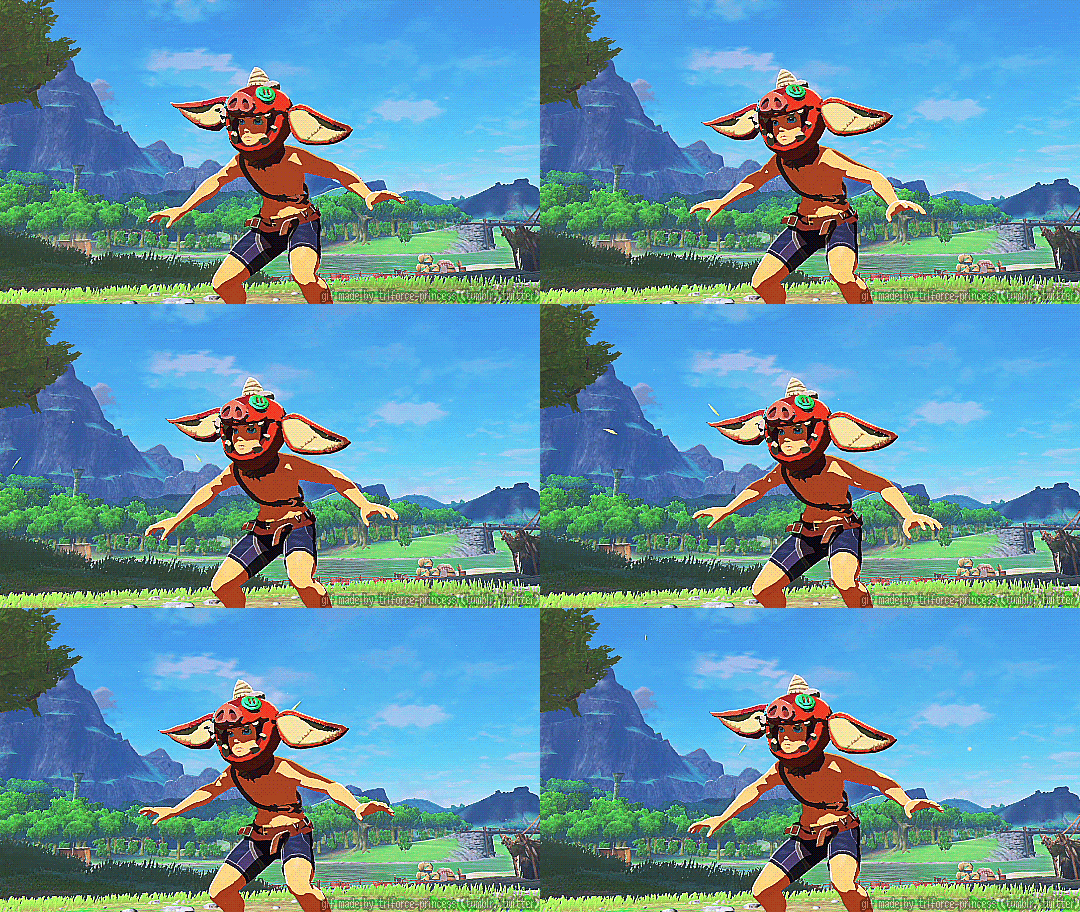
 Antagonistic foes of the wild — from Chuchus on the road to Lynels in the deep.



The wild, where encounters happen, and the families you may meet
The world of Roots is a dangerous place, rife with dangerous creatures: the monsters. They represent all manner of antagonistic foes, from the small and simple Chuchus up to the more menacing Lizalfos, and even as dangerous as Lynels. They stalk the wilderness outside the villages, outside the roads.
Held at bay only by the hard work and sacrifice of combative villagers — patrolling Guards, aggressive Mercenaries, bold Scouts, and other monster hunters — these warriors keep their neighbours safe from the wrath of the Wild. Alas, even with their diligence, monsters can slip through to attack. Be cautious, be prepared, and be armed. You never know if it is a Moblin or just a shadow.
Most encounters come from daily job rolls — /loot for LOOTING jobs, plus /travel on foot, Blood Moons, and other world events when mods announce increased risk.
Tiers, loot tables, and live stats: Tinglebot Dashboard.
/loot — Adventurer, Graveskeeper, Guard, Hunter, Mercenary, Scout · mostly tiers 1–4/loot tiers 1–10; tier 5+ raids · /gather 25% monster chance/loot · resist elixirs cut elemental hearts lostWhere monster fights come from in the bot
Typically, monster encounters occur from a daily job roll. Under normal circumstances, only LOOTING jobs run into monsters on /loot — Scout, Mercenary, Guard, Adventurer, Graveskeeper, Hunter, and other professional monster hunters.
Even non-combat jobs can fall into risk during a Blood Moon or other harrowing world events. Mod announcements flag when that applies.
Daily roll for LOOTING jobs — solo fights, mostly tiers 1–4.
Higher danger while the moon is active — see the Blood Moons page for timing.
/loot — tiers 1–10 at equal weight; tier 5+ starts a raid/gather — 25% chance of a tier 1–4 monster before gatheringAbout half of travel days can spawn a tier 1–4 fight on your route.
Monsters stop targeting you — loot, gather, travel, and explore fights are skipped.
Blight stage 3+ skips monsters on loot, gather, travel, and explore. Road trips: Travel.
Tier 5 and above — raids need the village working together
As you venture deeper into the wilds, Tier 5 and above monsters present significantly greater difficulties compared to their lower-tier counterparts.
Raids are the mechanic in which players encounter these high-tier monsters and help take them down together. Tiers 1–4 stay solo on /loot and travel; tier 5+ opens a raid. During a Blood Moon, /loot can roll tiers 1–10 at equal weight — anything tier 5+ starts a raid automatically.
Raid signup, timers, and rewards: Raids guide.
Elemental alignments on weapons, elixirs, and monsters
Elements affect how your /loot combat roll performs — a good weapon matchup adds +15%, a bad one −10%. Matching resist elixirs help you take less from elemental hits. If combat feels off, it is usually an element mismatch.
When the monster is this element, bring this weapon element and elixir.
| Monster | Weapon | Elixir |
|---|---|---|
| Fire | Water · Earth | Chilly |
| Ice | Fire · Undead | Spicy |
| Electric | Ice · Earth | Electro |
| Water | Ice · Electric · Undead | Sticky |
| Earth | Water · Wind · Tech | — |
| Wind | Fire · Electric · Tech | — |
| Undead | Wind · Light | Bright |
Light and Tech are weapon-only. vs Undead, use Light or Wind weapons — not Fire.
Common monster families and what travelers report about them
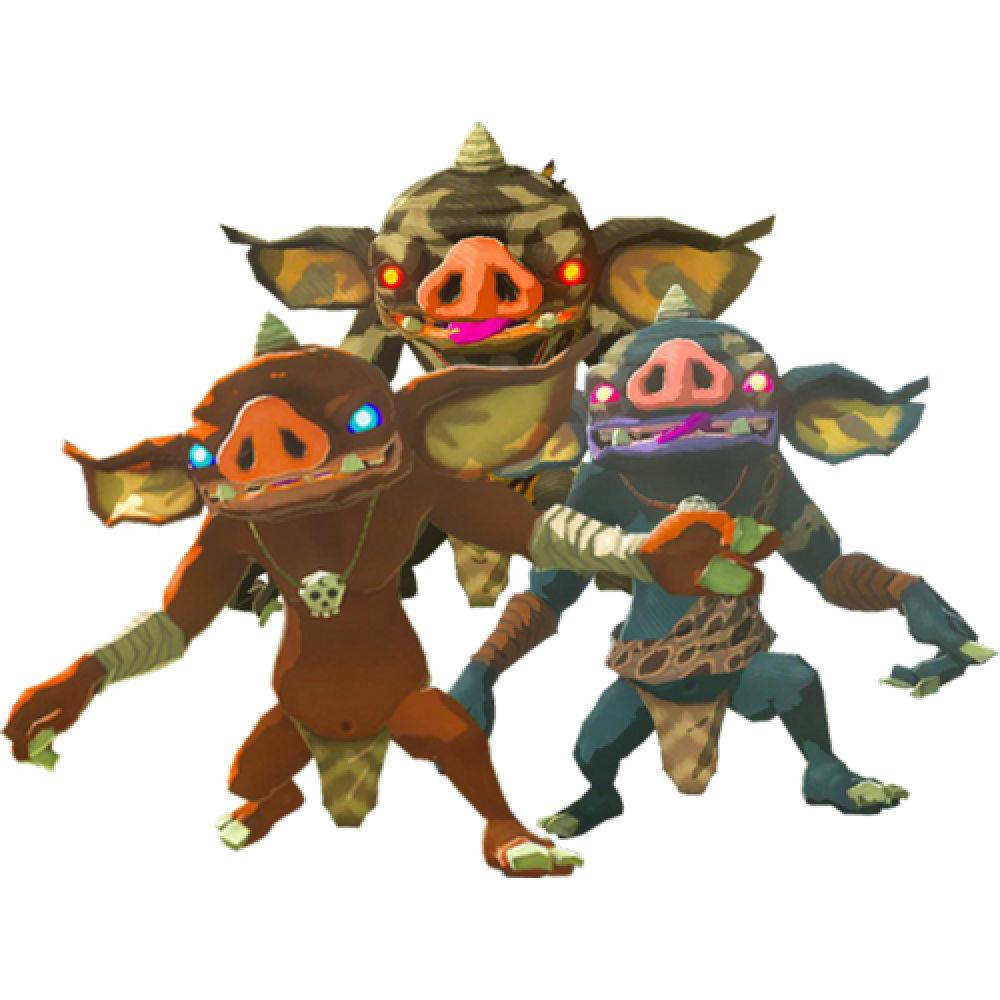
Usually found in groups with an affinity for crude campsites, bokoblins are brutish, pig-nosed beasts with a great ability to use weapons and tools. They often leave behind their fangs and horns when defeated, with the occasional bokoblin guts and very rare boko weapon lingering in their absence.
Be careful though! The most plentiful coloring of bokoblins, red, are often joined by stronger ones that are black and silver.
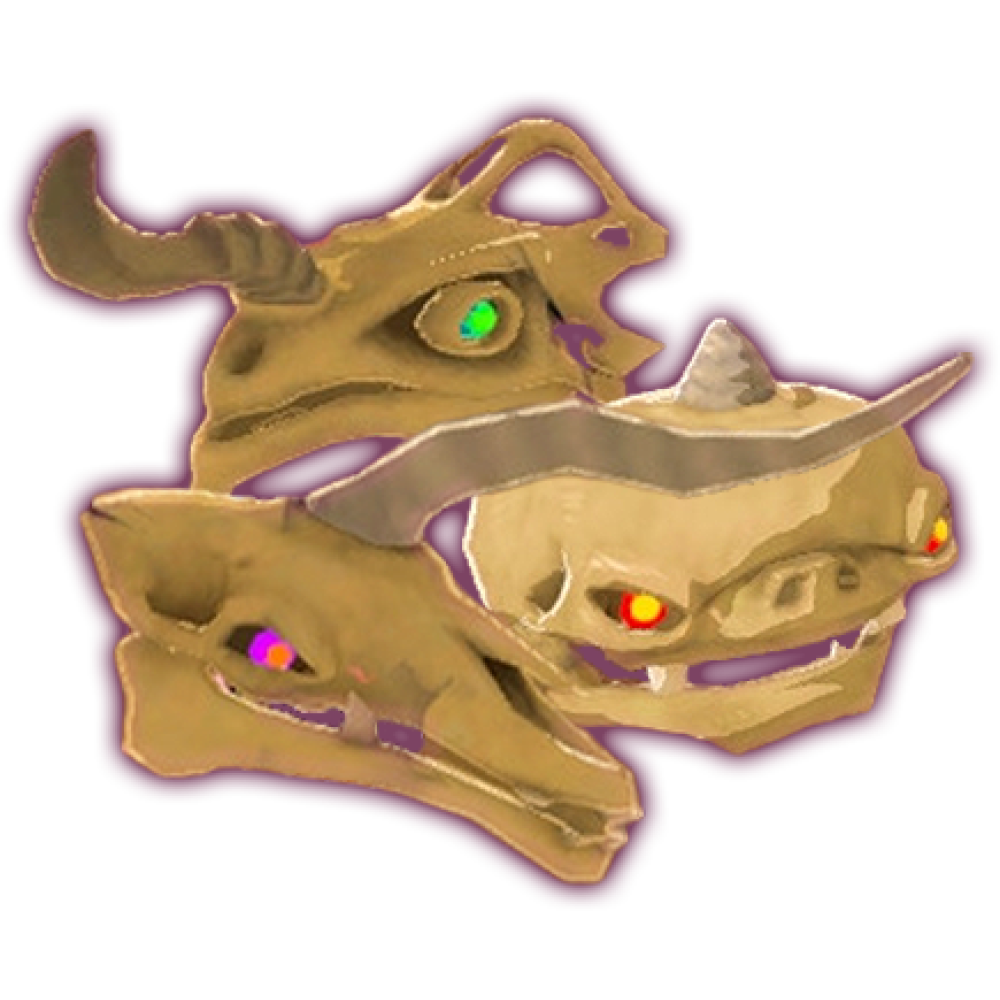
Similar to stals, these disembodied heads are the reanimated skeletal remains of a fallen lizalfos, moblin, or bokoblin. Unlike them, they are simply malice-filled heads that menacingly prowl for unsuspecting souls in the dead of night.
When downed, they leave behind nearly the same loot as their skeletal counterparts, with very few differences.
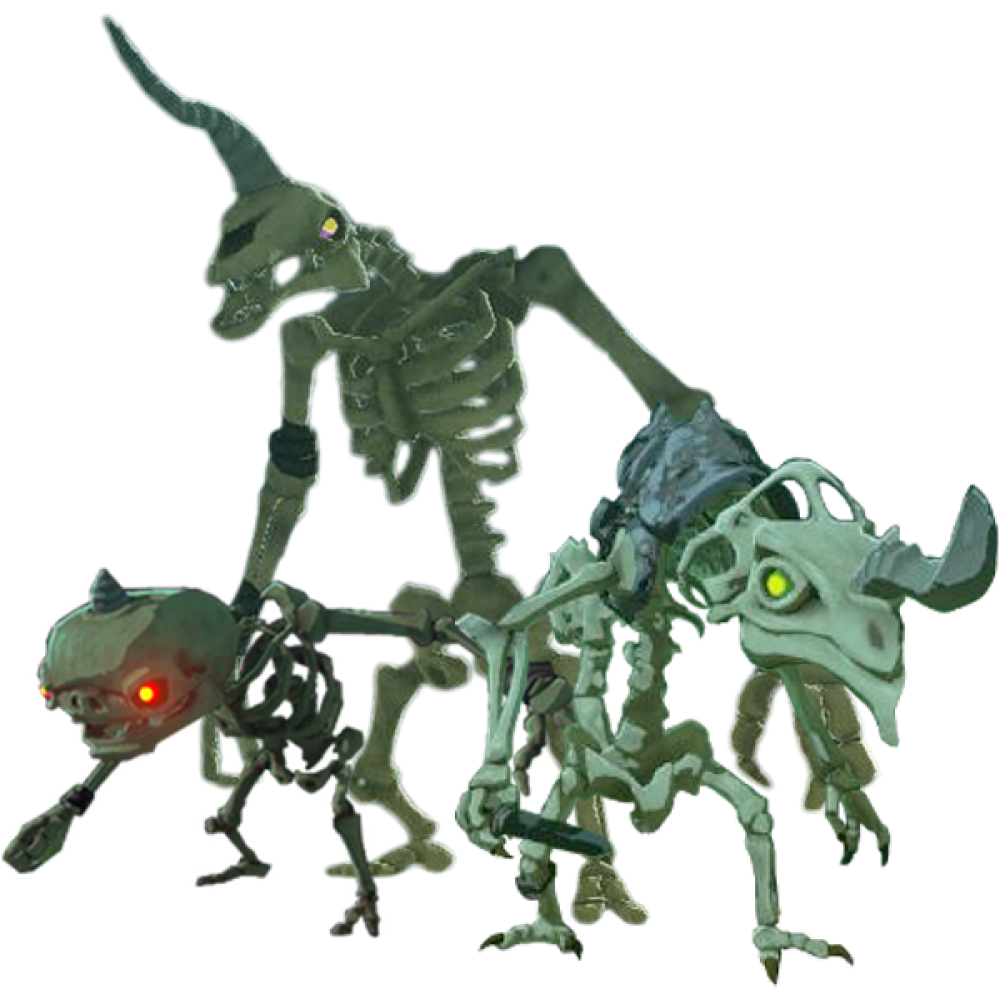
While not all stals are stalfos, all stals are foes, hence the name of this entry. Skeletal and with a bone to pick with all living Hyrulians, stal enemies seem to be the reanimated bones of felled bokoblins, lizalfos, and moblins that are only active at night time.
Their drops seem to be similar to their mortal counterparts' drops — a stalkoblin would drop a bokoblin fang or horn for example — however sometimes the odd wriggly arm sticks around.
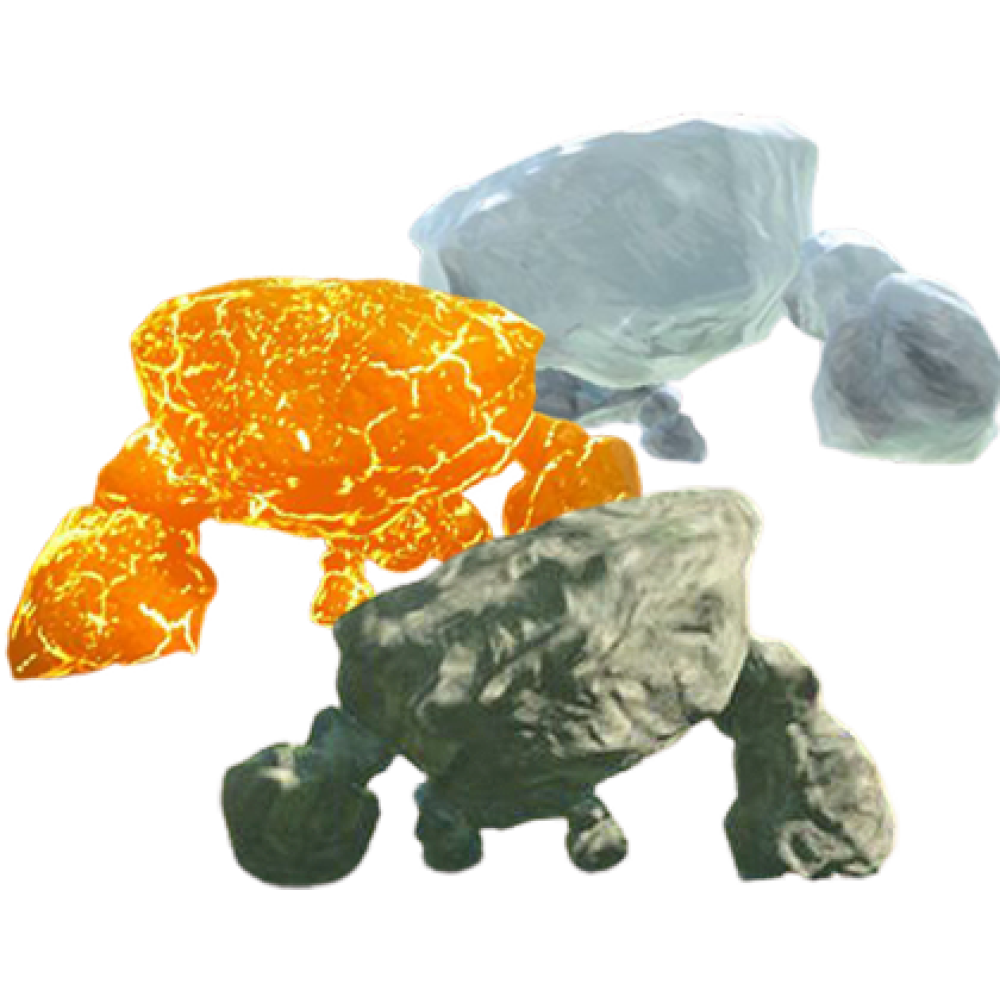
Sentient rock beings though not as smart as gorons, pebblits are short but strong foes that can easily be mistaken as a mere normal and unmonsterous boulder. Frost, igneo, and stone pebblits are the only of their genus so far known, with drops of precious gems such as ruby, amber, sapphire, topaz, and opal alongside flint and lava drops.
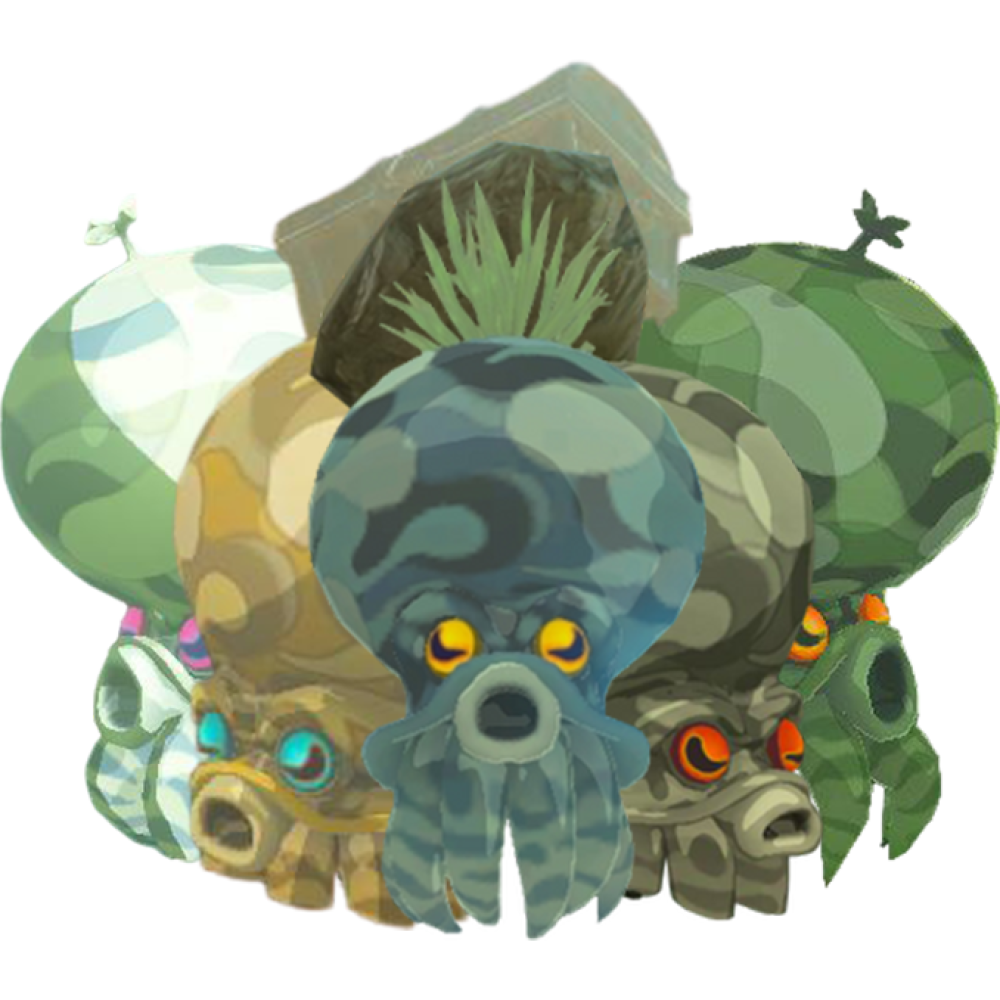
Observed on and above land and even in water, these cephalopod-like creatures scuttle around delivering terror to each and every village. Their powerful mouth propellers allow them to harm unsuspecting passersby, aided by their camouflage.
These are the known types of octoroks our travelers have reported encountering: treasure, water, snow, forest, and rock. While some appear to stick to certain regions — snow and rock stay in Inariko and Rudania exclusively — treasure and water octoroks have been seen across Hyrule.
Their tentacles and floaty balloons are often seen dropping from them, alongside their eyes and undigested fishy prey. If you see any odd floating beings during rainstorms, mysterious shrubs, or unusual chests, be suspicious.
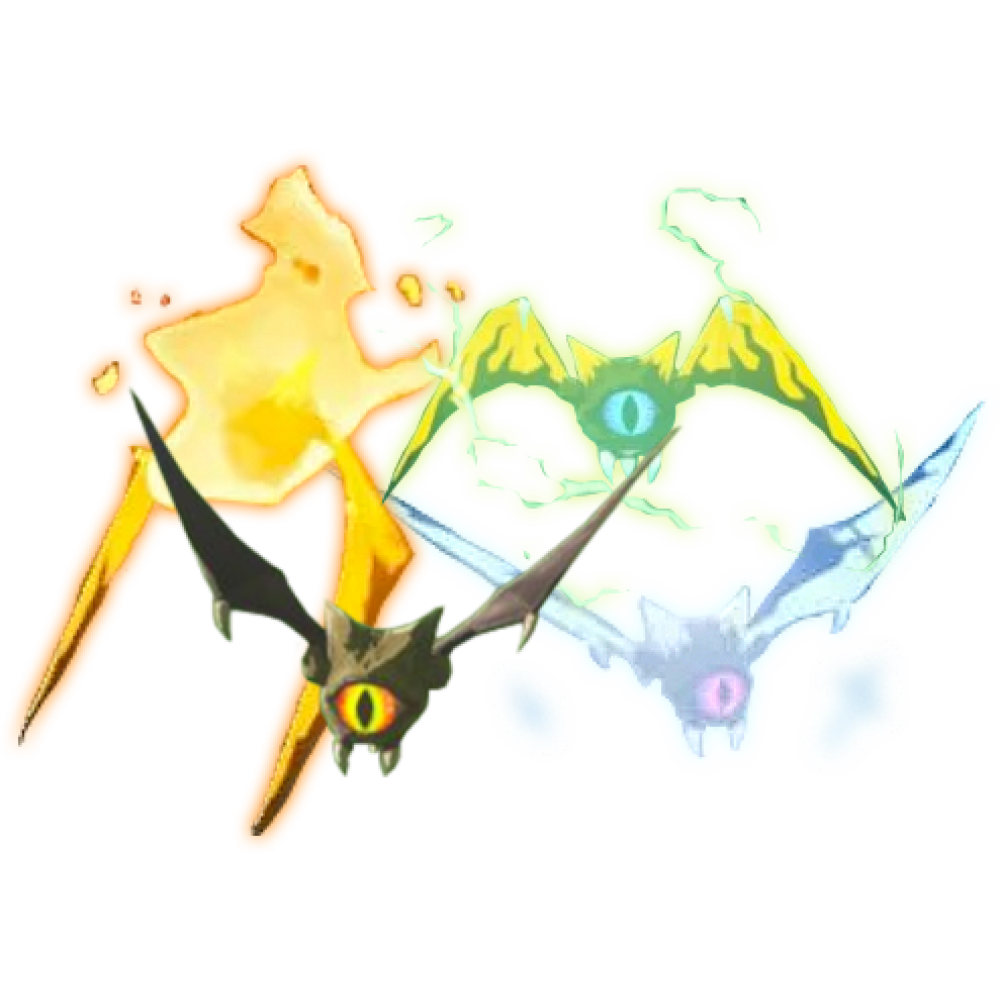
These swarming, one-eyed creatures are named keese, both individually and collectively, like meese. Eer, moose. With the most common and sighted coloring being brown, keese do also come in colored forms, showing their elemental affiliations.
Yellow keese are electric, orange keese are fiery, and white keese are frosty. These three variants are seen in only one village each — electric in Vhintl, fire in Rudania, and frost in Inariko. Common drops from these foes include their wings and eyes.
Curiously, sometimes two eyes will drop from one keese, or so our adventurers may think if they have downed two keese in one blow!
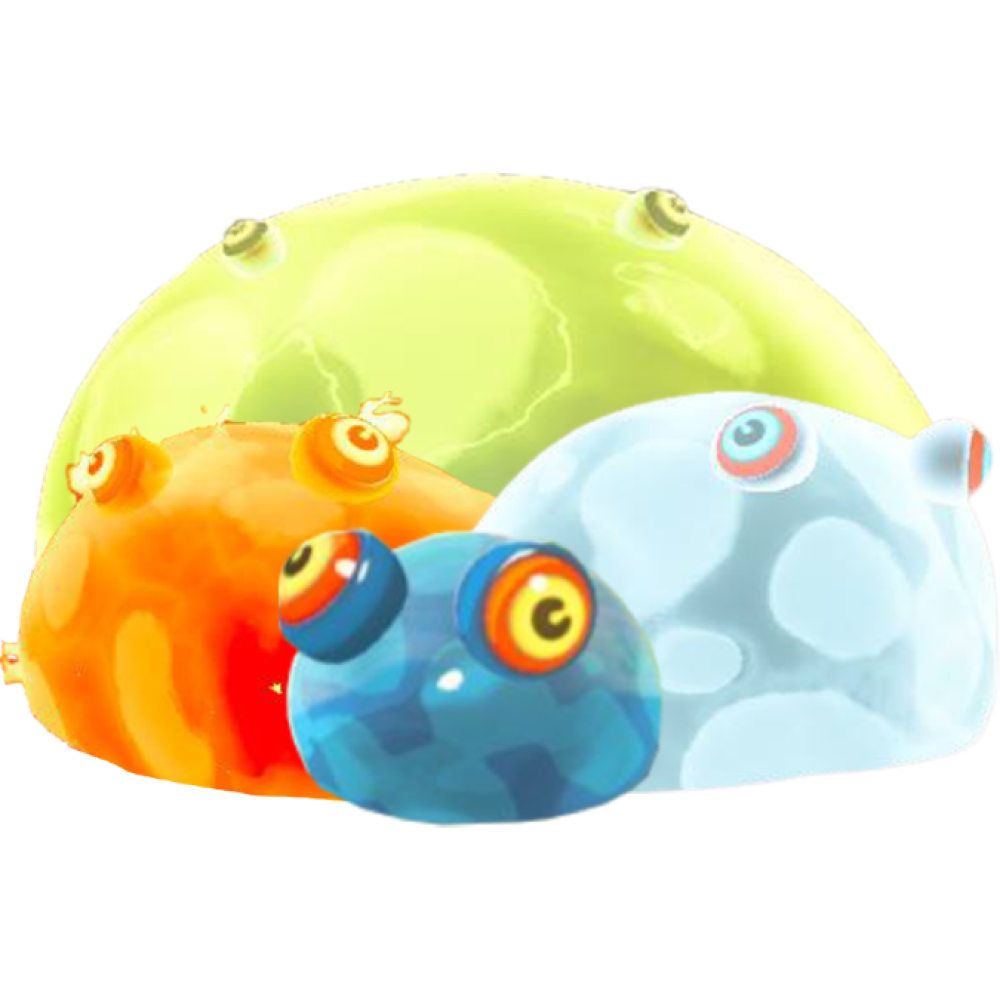
Electric, frost, fire, or just blue — these bulbous pests are found commonly all across Hyrule. Appearing to be made of water, the blue variety of chuchus are the only that have documented sightings in all three villages, while the electric, frost, and fire chuchus all stick to Vhintl, Inariko, and Rudania respectively.
These blobs are known to drop jellies upon bursting, but on very rare occasion, the odd marble-like eggs have been left behind and hatched by villagers.
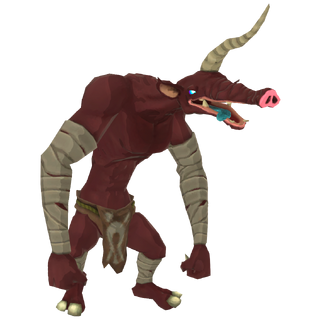
Taller than most gerudos or zoras, moblins lumber over most anyone reading this. Though less adept with tools than their lizal and boko friends, the sheer size of a moblin is threatening enough to inspire fear in even the bravest of fighters.
They drop their fangs and horns, which are rather useful in improving the strength of weapons and armor!
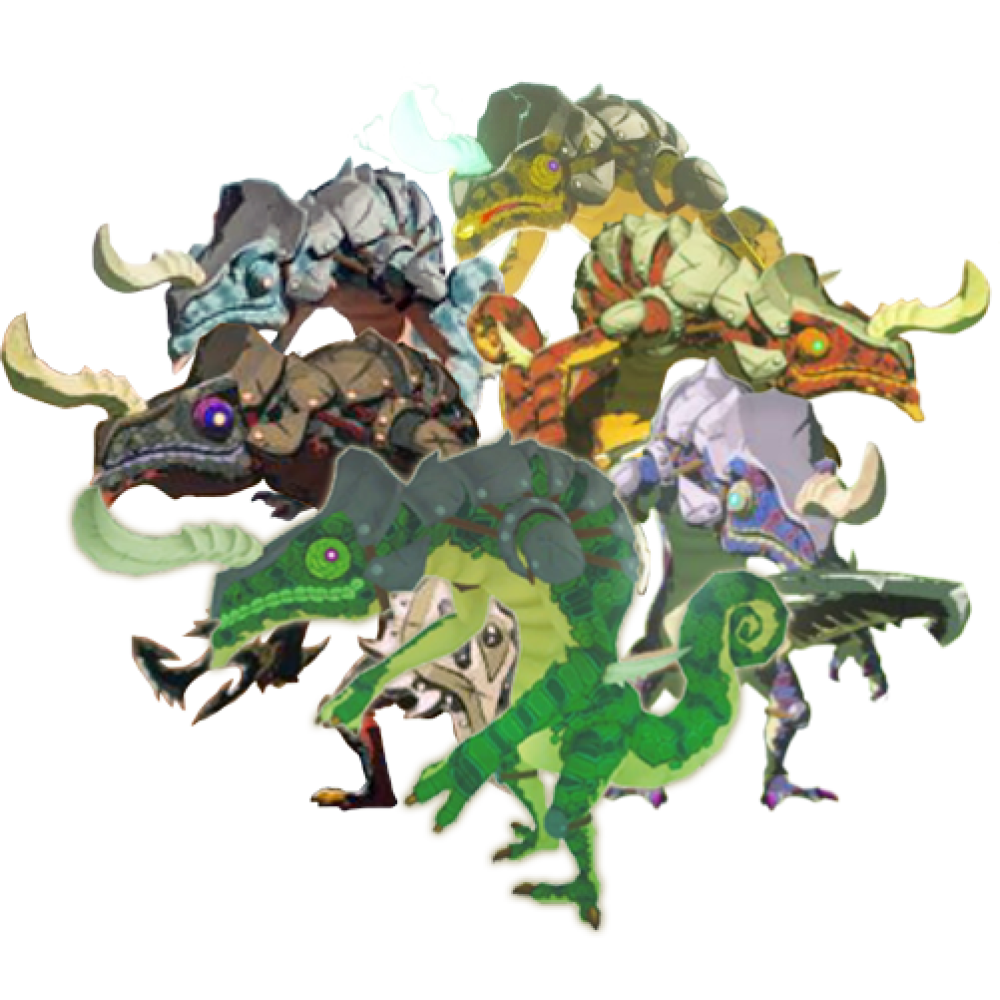
Chameleon-like and with many, many colors to prove it, lizalfos are strong on land and in water with higher speeds than most other monsters. Their ability to blend can partially be attributed to the elemental varieties of lizalfos that dwell in each region — fire spitting and ice breathing lizalfos stay in either Rudania and Inariko according to climate, while the elusive yellow lizalfos with the power to discharge electricity are Vhintl natives — but also due to their actual blending scales.
While other colors have been seen, their differences tend to be in how difficult they are to defeat rather than any elemental powers. They often drop their horns, talons, and tails, sometimes dropping weapons such as boomerangs as well!
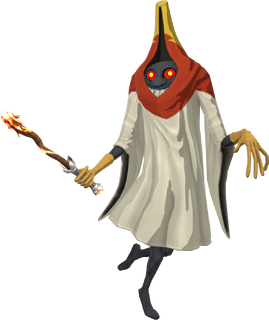
Very rarely seen and even less understood, these humanoid creatures carry rods that harbor their odd magic powers. If one ventures across a wizzrobe in their travels, we urge you to retreat to safety. They are reported to be incredibly strong, quick-witted, and ruthless.
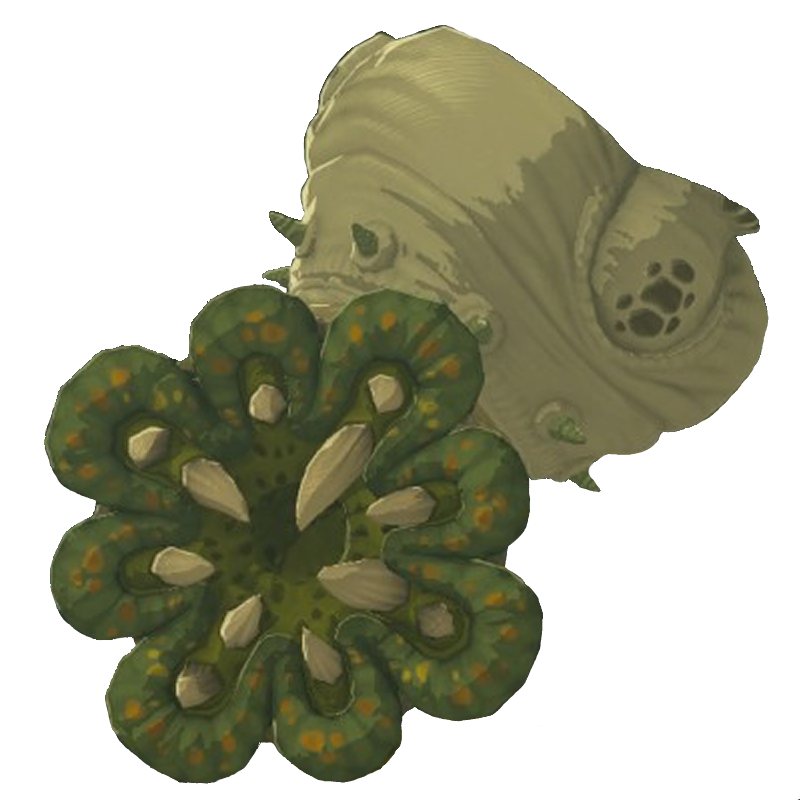
Like Likes are voracious, tube-like creatures notorious for sucking up prey into their wide mouths, and robbing them of their equipment. They are permanently attached to walls and ceilings, and see through vibrations in seeking their prey.
Though it seems there may be little to fear from them — make no mistake — that does not mean they are unable to reach you should you not move far enough away.
If you are skilled enough to defeat one, you may be rewarded with a chest.
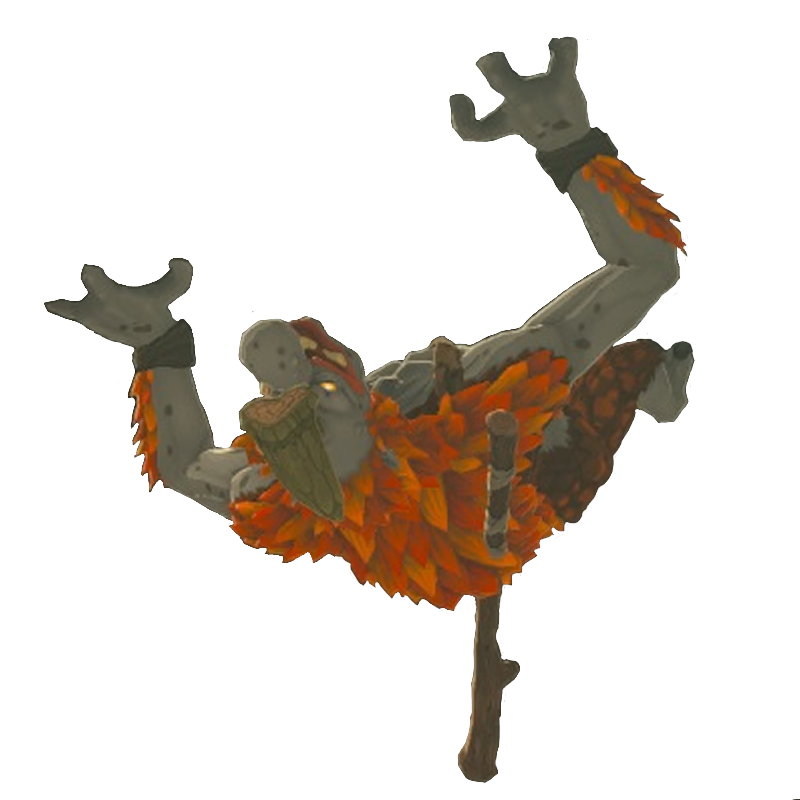
These monsters make their home in Hyrule's cave systems. They have sturdy horns that are perfect for crushing rocks and strong muscles that allow them to traverse cave walls and ceilings as easily as if they were walking on the ground. They often hang from ceilings, waiting for prey.
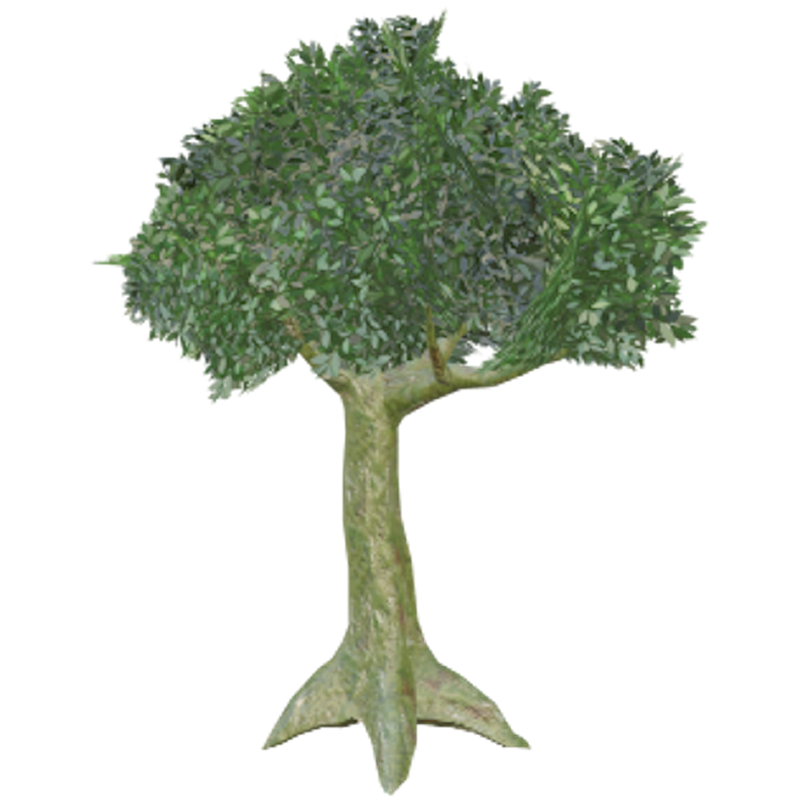
A monster that mimics a tree, found throughout the forests of Hyrule. These imposters are hard to differentiate from the genuine article, making it easy for them to team up and pounce on unsuspecting passersby. Because the species shares characteristics with trees, it can be chopped down in much the same way.
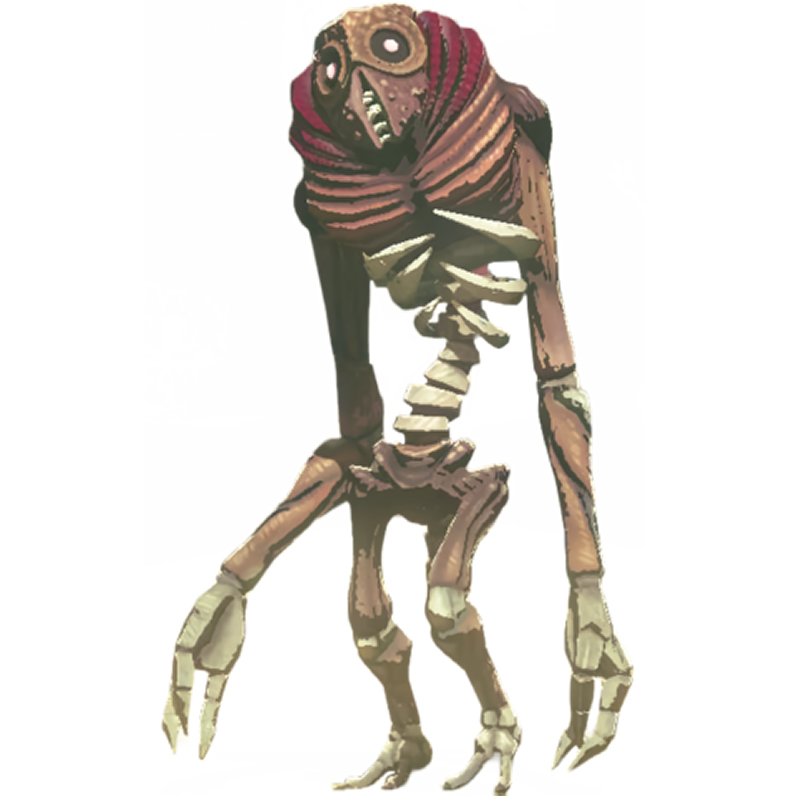
Slow moving, insectoid horrors with a thick outer shell that are impervious to physical attacks. They typically make their nests in graveyards, and some even become flying monstrosities. But have no fear — they are repelled by light come morning.